

Start with the cause of the wait
There is no single slow play fix. A group can lose time searching for a ball, but a full tee sheet can also create a queue even when every group plays reasonably. The R&A looks at management, course setup and player behaviour together. A useful pace plan does the same.
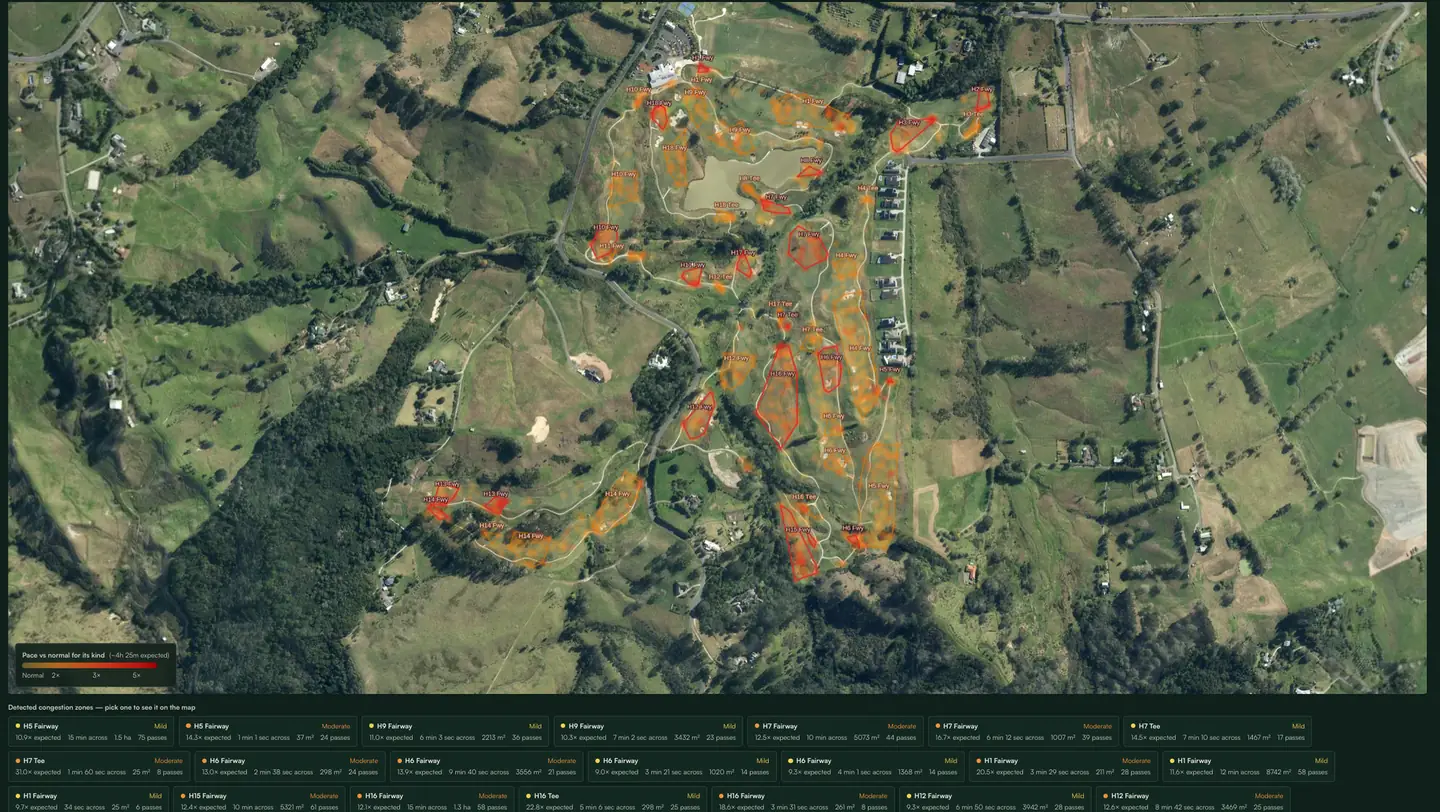
First, record where groups begin waiting, how long they wait and whether the same hole causes trouble on comparable days. The starting point matters. The group at the back of a queue is rarely the group that created it.
Give the course room to move
Review starting intervals against the time groups need to clear the holes ahead. When groups start faster than a hole can process them, waiting accumulates. Wider intervals can be more effective than asking players to hurry through an already crowded course.
Check the pattern by day and field size before changing the whole tee sheet. A busy fourball morning and a quiet weekday may need different settings. The R&A recommends assessing the course itself rather than treating one interval as universal.
Remove repeat bottlenecks
If the same hole backs up week after week, look at what happens there. A difficult tee shot, long rough near the landing area, a demanding pin or a long walk to the next tee can each add time. Course setup and maintenance are pace decisions as well as playing decisions.
Change one factor, then compare similar days. The USGA recommends collecting course-specific data to identify chronic bottlenecks and judge whether setup changes help.
Make the easy habits easier
Clear expectations help players keep moving: play ready golf when it is safe, prepare for the next shot while others play, use an appropriate tee and keep ball searches within the Rules. A starter can explain the course’s pace expectations before the first tee without turning the round into a warning.
These habits matter, but they cannot clear a course that was overloaded at the start. Match player guidance with the operational changes above.
See the gap early, then act on it
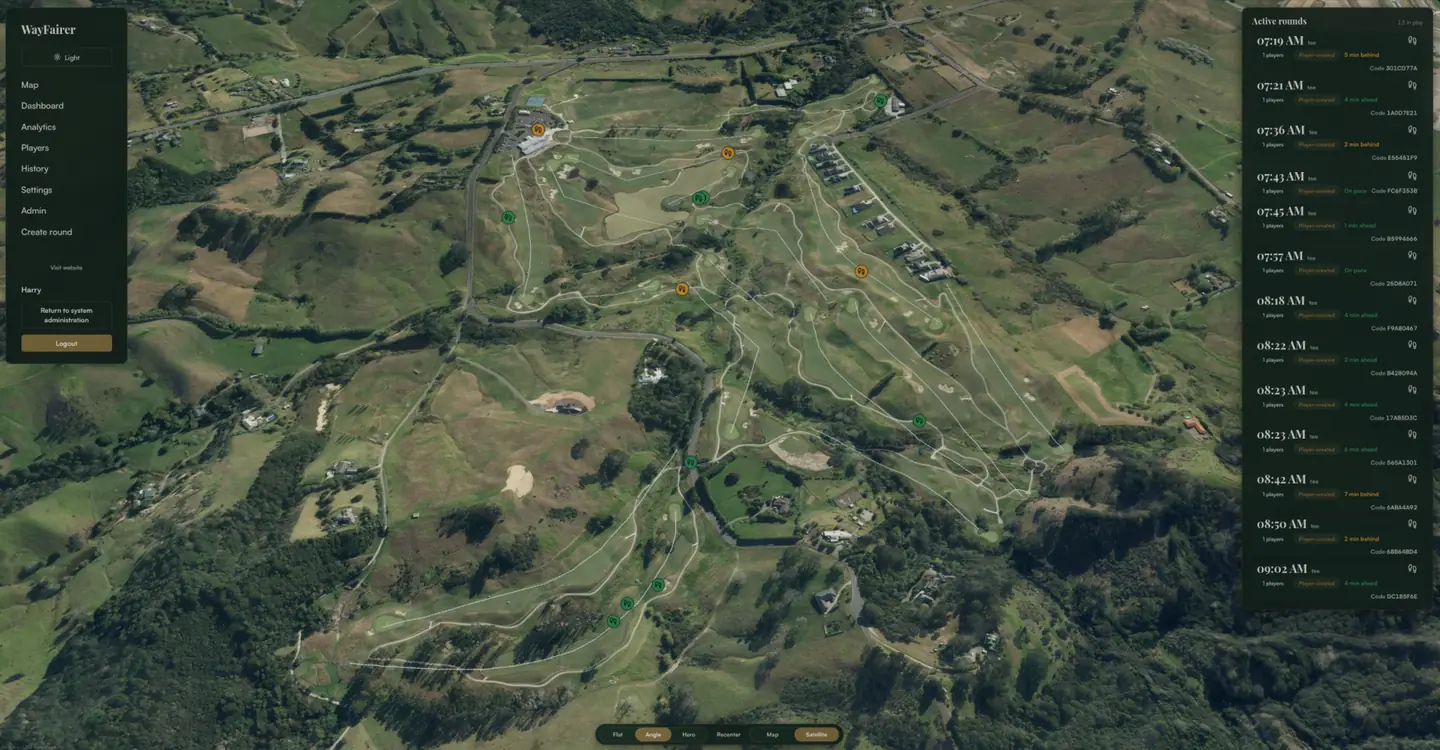
On the day, staff need to know whether a group has open space ahead or is waiting behind another group. Those cases call for different responses. A marshal can help a group with room to move; a queue calls for attention at its source.
WayFairer gives course staff a live view of participating groups, their positions and gaps between them. Staff can contact a group or go to the right place while the gap is small. Players join a round using their phones, so live coverage depends on participation. WayFairer helps the team see and respond; tee spacing, setup and staff judgement still determine the wider pace plan.
Measure whether the change worked
Pick a baseline before changing anything: round duration, time spent waiting at problem holes and how often a gap appears. Compare similar tee sheets and conditions afterward. If the bottleneck moves, the next change may need to be elsewhere.
By Harry. Published 2 Oct 2026. 6 min read.